
Address
Opp. Khalsa College for Boys, near BSF Chowk, Jalandhar
Call
+91 98140 61069
Opp. Khalsa College for Boys, near BSF Chowk, Jalandhar
+91 98140 61069

Pelvic floor disorders can significantly affect your bladder, bowel, and sexual health — and your overall quality of life. At Sarvodya Hospital, under Dr Rajesh Aggarwal, we specialize in the diagnosis and treatment of pelvic floor conditions in both men and women, using the latest non-surgical and surgical therapies to help you regain control, comfort, and confidence.
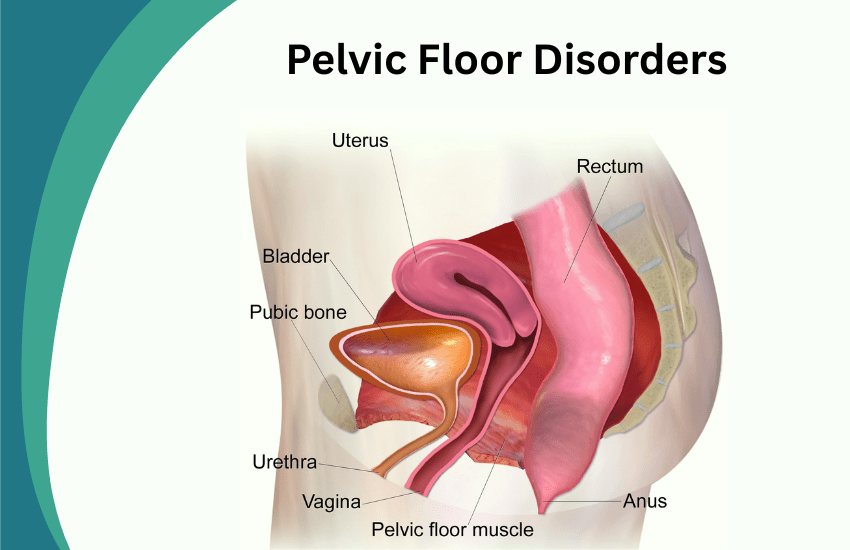
The pelvic floor is a group of muscles, ligaments, and connective tissues that support the bladder, uterus (in women), prostate (in men), rectum, and urethra. When these muscles weaken or become damaged, it can lead to a number of pelvic floor dysfunctions.
Common Pelvic Floor Disorders We Treat
Men can also experience pelvic floor issues, including chronic prostatitis-like symptoms, urinary leakage, or pain after surgery (e.g., prostatectomy).
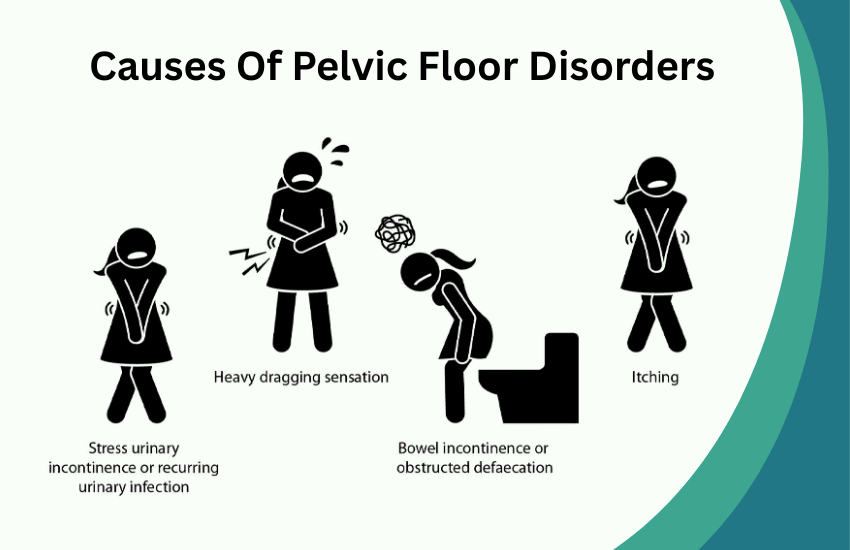
You may be experiencing a pelvic floor disorder if you have:
If you’re experiencing any of these symptoms, a pelvic floor evaluation by a urologist can help determine the cause and best course of treatment.
Dr Rajesh Aggarwal performs a comprehensive evaluation that may include:
Pelvic Floor Disorder Treatment Options
Treatment depends on the type and severity of the condition. We offer a range of personalized options, including:
Pelvic Floor Physical Therapy
Medications
Minimally Invasive Procedures
Pessary Devices
Surgical Treatments
We collaborate with urogynecologists, physical therapists, and colorectal specialists as needed to provide comprehensive, multidisciplinary care.
Dr. Rajesh Aggarwal is a board-certified urologist with advanced training in female and male pelvic medicine, incontinence, and minimally invasive pelvic surgery. We take a patient-centered approach that prioritizes your comfort, dignity, and long-term outcomes.
Don’t Let Pelvic Floor Issues Control Your Life
Pelvic floor disorders are common but treatable. Whether you’re dealing with incontinence, pelvic pain, or prolapse, help is available — and you don’t have to live with the discomfort or embarrassment any longer.
No. While pelvic floor disorders are more common in women, men can also experience symptoms such as incontinence, pelvic pain, or urinary dysfunction.
Yes. Pelvic floor physical therapy is often very effective, especially for muscle dysfunction, chronic pelvic pain, and early prolapse.
If you're experiencing persistent urinary, bowel, or pelvic symptoms that interfere with your daily life, a urologist can provide a thorough evaluation and treatment plan.