
Address
Opp. Khalsa College for Boys, near BSF Chowk, Jalandhar
Call
+91 98140 61069
Opp. Khalsa College for Boys, near BSF Chowk, Jalandhar
+91 98140 61069

Bladder cancer is one of the most common urologic cancers, often presenting with blood in the urine. Early detection and treatment are critical to achieving the best possible outcomes. At Sarvodya Hospital, under Dr. Rajesh Aggarwal, a senior urologist with extensive experience in uro-oncology, provides comprehensive care for all stages of bladder cancer — from early diagnosis to advanced treatment.
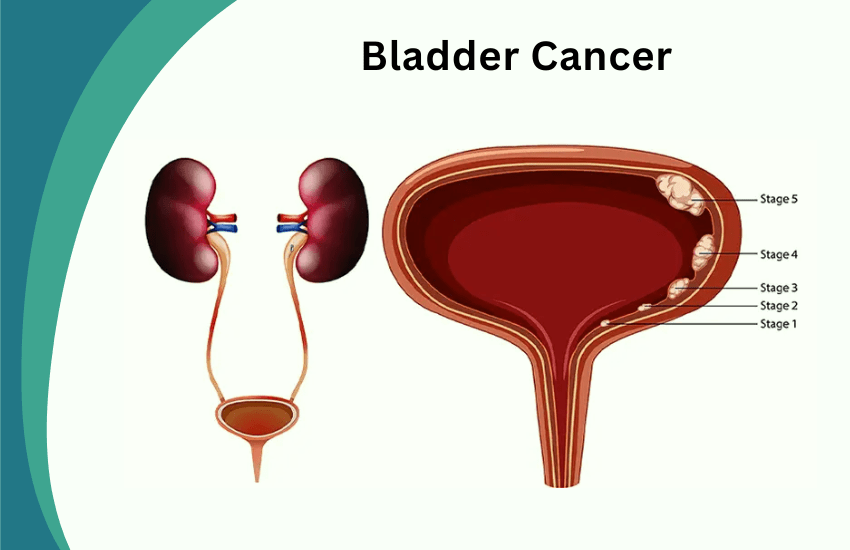
Bladder cancer begins when abnormal cells grow uncontrollably in the lining of the bladder — the organ that stores urine. It most commonly affects older adults and is more prevalent in men than women. The most common type is urothelial carcinoma (transitional cell carcinoma).
Bladder cancer can be non-muscle-invasive (limited to the inner lining) or muscle-invasive, which may spread to deeper tissues or other organs if not treated promptly.
Common Symptoms of Bladder Cancer
Many people with early-stage bladder cancer experience no pain. However, the most common warning sign is:
Other symptoms can include:
Important: If you notice blood in your urine, even once, it is crucial to see a urologist for evaluation.
You may be at increased risk of developing bladder cancer if you:
Dr. Rajesh Aggarwal uses advanced diagnostic tools to ensure accurate and early detection of bladder cancer.
Diagnostic Tests May Include:
Types of Bladder Cancer: The main types of bladder cancer include:
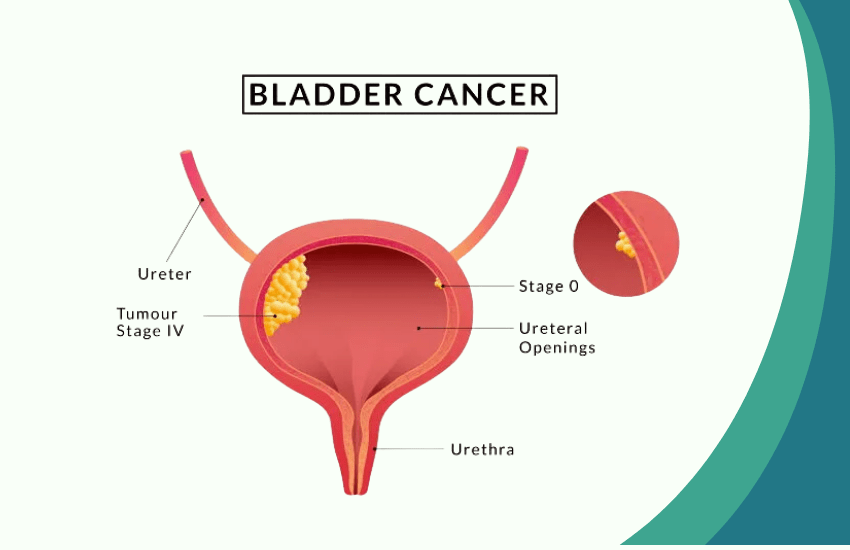
Treatment depends on the stage, grade, and extent of the cancer.
For Non-Muscle-Invasive Bladder Cancer (Early Stage):
For Muscle-Invasive or High-Risk Bladder Cancer:
Dr. Aggarwal works closely with oncologists and radiation specialists at Sarvodya Hospital to provide a multidisciplinary approach for optimal patient outcomes.
If you’re concerned about bladder cancer or experiencing urinary symptoms, trust Dr. Rajesh Aggarwal and the expert team at Sarvodya Hospital for accurate diagnosis, advanced treatment, and compassionate care.
Life After Bladder Cancer Treatment
Recovery and rehabilitation are an essential part of bladder cancer care. Dr. Rajesh Aggarwal provides:
With early detection and proper care, many patients go on to lead healthy, active lives.
When to See a Urologist:
Book a consultation immediately if you experience:
Early evaluation leads to better outcomes. Don’t delay.
Not always, but it should be evaluated immediately. It could be due to infections, stones, or cancer.
Yes. Bladder cancer has a high recurrence rate, which is why regular cystoscopic follow-up is essential.
No. For early-stage cancers, bladder-sparing treatments like TURBT and intravesical therapy may be effective. Surgery is reserved for high-risk or muscle-invasive cancers.
When caught early, bladder cancer is highly treatable. The 5-year survival rate for non-muscle-invasive cancer is over 85%.