

Introduction
Infertility affects millions of couples worldwide, and in nearly half of the cases, male factors play a role. Male infertility can be emotionally challenging, but the good news is that with today’s medical advancements, most men can be successfully treated. Understanding the causes, diagnosis, and treatment options is the first step toward restoring fertility and hope.
What Is Male Infertility?
Male infertility refers to a man’s inability to impregnate his partner despite regular, unprotected intercourse for at least one year. The problem may stem from low sperm production, poor sperm quality, blockages, or hormonal imbalances affecting sperm delivery.
Common Causes of Male Infertility
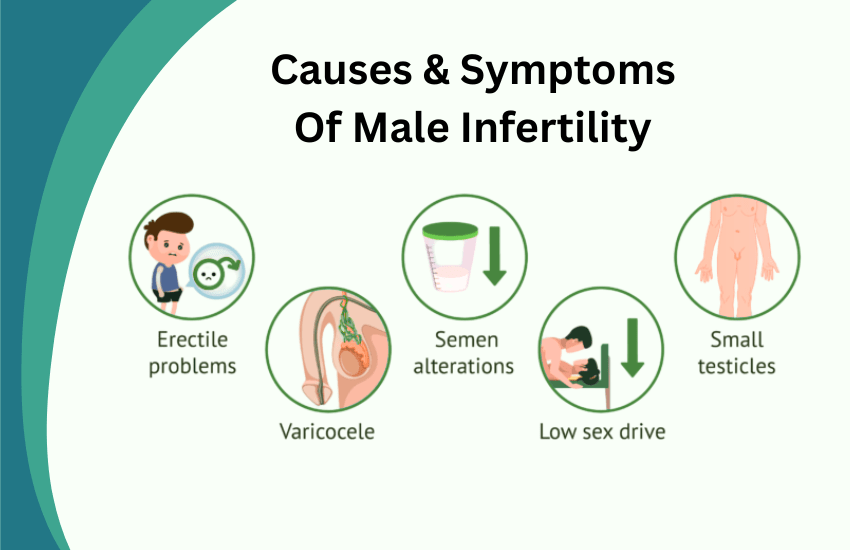
- Low Sperm Count (Oligospermia): The most common cause.
- Poor Sperm Motility: Sperm may not swim effectively to reach the egg.
- Abnormal Sperm Shape (Morphology): Affects fertilization ability.
- Varicocele: Enlarged veins in the scrotum that affect sperm temperature and production.
- Infections: Such as sexually transmitted diseases, mumps orchitis, or urinary tract infections.
- Hormonal Imbalances: Low testosterone or pituitary disorders.
- Lifestyle Factors: Smoking, alcohol, obesity, tight clothing, and exposure to heat or toxins.
- Genetic or Structural Issues: Obstructions in the reproductive tract or chromosomal abnormalities.
Diagnosis — Finding the Root Cause
A proper diagnosis is key. Dr. Rajesh Aggarwal uses advanced diagnostic tools to identify the cause of infertility, including:
- Semen Analysis to evaluate sperm count, movement, and shape.
- Hormone Testing for testosterone, LH, FSH, and prolactin levels.
- Scrotal Ultrasound to detect varicocele or blockages.
- Genetic Testing when indicated.
- Testicular Biopsy in severe cases to check sperm production.
Treatment Options
Treatment depends on the underlying cause:
- Medication Therapy: To treat infections, correct hormones, or improve sperm production.
- Varicocele Repair (Varicocelectomy): A minor surgical procedure to improve sperm quality.
- Assisted Reproductive Techniques (ART):
- IUI (Intrauterine Insemination)
- IVF (In Vitro Fertilization)
- ICSI (Intracytoplasmic Sperm Injection)
- Lifestyle Modifications: Quitting smoking, limiting alcohol, maintaining healthy weight, and reducing stress.
Conclusion
Male infertility is not a permanent barrier — it’s a medical condition that can be treated. With the right approach and expert guidance from Dr. Rajesh Aggarwal, couples can regain hope and start their journey toward parenthood.
👉 Book your consultation today at DrRajeshUrologist.com for a confidential evaluation.


Comments are closed