

Introduction
As men age, prostate issues become increasingly common. Two of the most frequent conditions are Benign Prostatic Hyperplasia (BPH) and Prostate Cancer. While they share some symptoms, their nature and treatment differ greatly. Understanding the difference is crucial for early intervention and peace of mind.
What Is the Prostate?
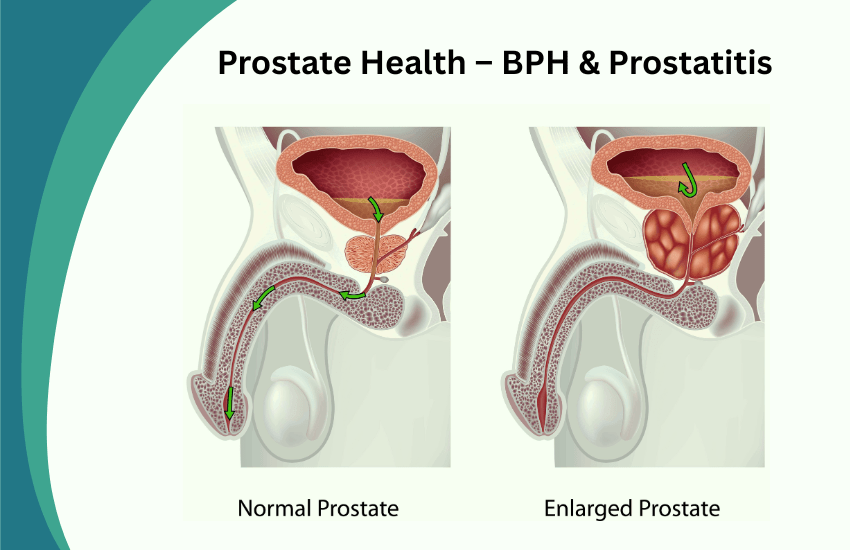
The prostate is a small gland located below the bladder that helps produce seminal fluid. As men get older, the gland can enlarge — sometimes harmlessly (BPH), or sometimes due to cancerous growth.
BPH (Benign Prostatic Hyperplasia)
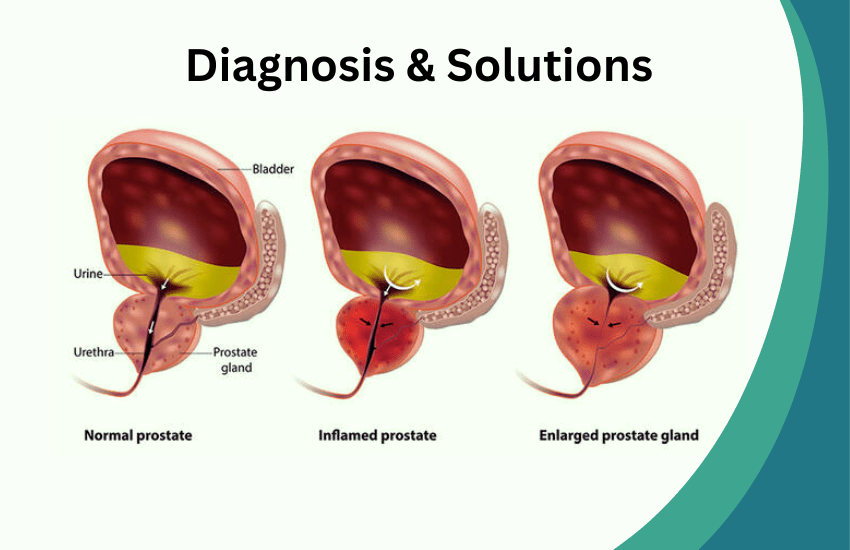
BPH is a non-cancerous enlargement of the prostate.
Symptoms include:
- Frequent urination, especially at night
- Weak urine flow or difficulty starting urination
- Feeling of incomplete emptying
- Urgency to urinate
Treatment:
- Medications to relax or shrink the prostate.
- Minimally invasive surgery (like TURP or laser procedures) if medications don’t help.
Prostate Cancer
Prostate cancer develops when abnormal cells grow uncontrollably in the gland. It is one of the most common cancers in men but is highly treatable when detected early.
Symptoms may include:
- Similar urinary issues as BPH
- Blood in urine or semen
- Back or pelvic pain
- Erectile dysfunction
Diagnosis:
- PSA blood test
- Digital Rectal Exam (DRE)
- Biopsy or MRI
Treatment Options:
- Active surveillance (for slow-growing cases)
- Surgery or Robotic Prostatectomy
- Radiation therapy or hormone treatment
Prevention & Early Detection
- Maintain a healthy diet rich in fruits and vegetables.
- Exercise regularly.
- Avoid smoking and limit alcohol.
- Schedule annual prostate check-ups after age 45.
Conclusion
Both BPH and Prostate Cancer can affect quality of life, but timely diagnosis and treatment make a world of difference. Dr. Rajesh Aggarwal provides comprehensive prostate health evaluation and advanced treatments to help men live healthier, more confident lives.
👉 Book your prostate health consultation today at DrRajeshUrologist.com


Comments are closed