
Address
Opp. Khalsa College for Boys, near BSF Chowk, Jalandhar
Call
+91 98140 61069
Opp. Khalsa College for Boys, near BSF Chowk, Jalandhar
+91 98140 61069
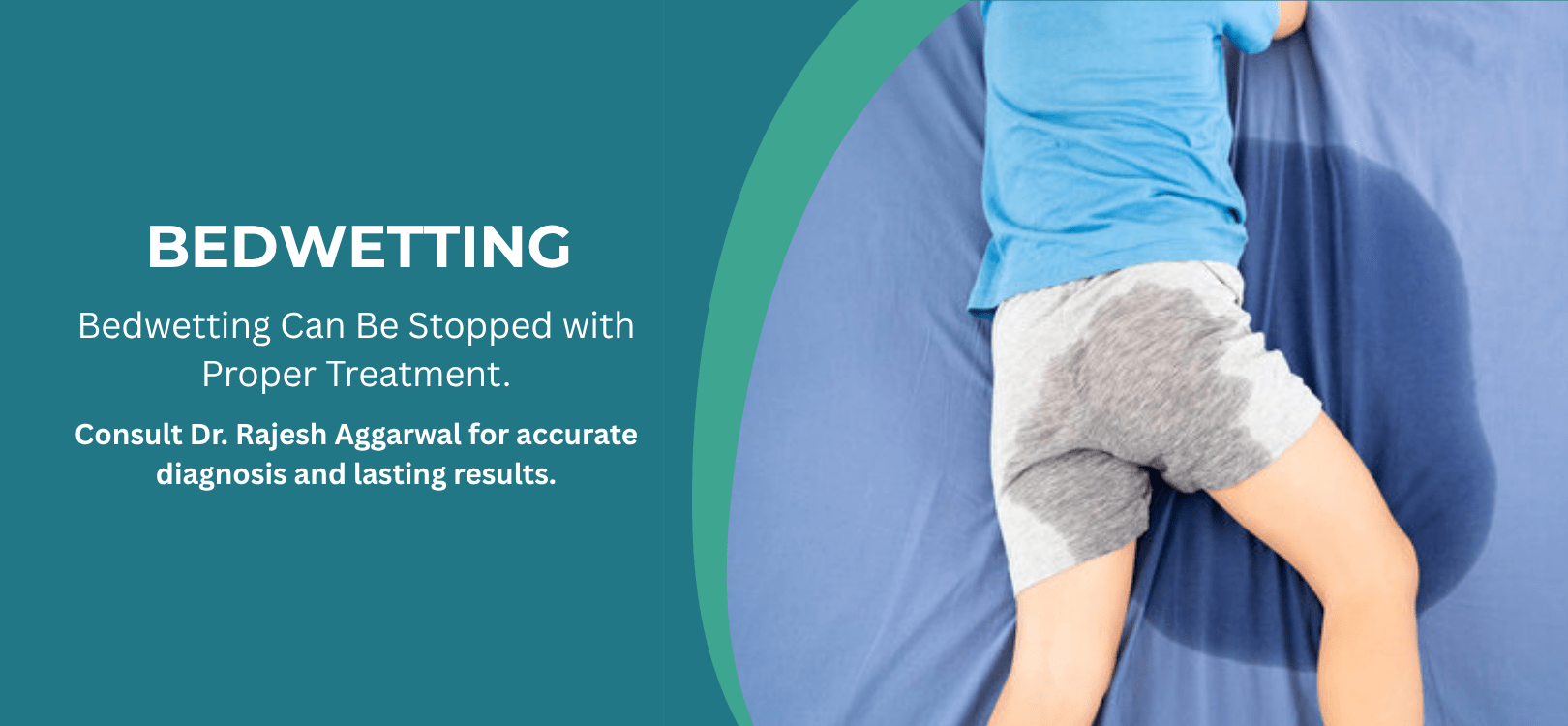
Bedwetting, also known as nocturnal enuresis, is a common condition where children — and sometimes adults — involuntarily urinate during sleep. While often considered a normal part of childhood development, persistent bedwetting can indicate an underlying medical or urologic issue.
At Sarvodya Hospital, under Dr. Rajesh Aggarwal, an experienced urologist, provides compassionate, evidence-based care for children and adults struggling with bedwetting.
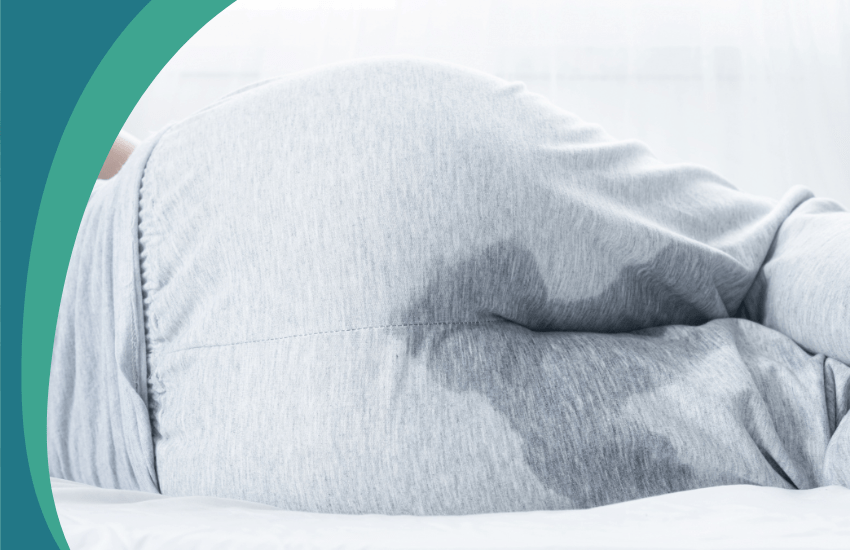
Bedwetting is defined as unintentional urination during sleep in individuals who are old enough to control their bladder — typically beyond the age of 5 years.
There are two types:
Is Bedwetting Normal?
Occasional bedwetting is common in children under the age of 5. However, if the problem persists beyond this age or reappears after a dry period, it’s important to consult a urologist to rule out any underlying bladder or kidney condition.
Bedwetting can have multiple causes, including:
In Children:
In Adolescents and Adults:
You should seek medical evaluation for bedwetting if:
Dr. Rajesh Aggarwal provides a thorough evaluation to identify the root cause and recommend the right treatment.
A detailed assessment is done to understand the bladder function, sleep patterns, and possible medical causes.
Diagnostic Tests May Include:
Bedwetting Treatment Options
Treatment is customized based on age, frequency, and the underlying cause.
🔹 Lifestyle and Behavioral Strategies
🔹 Bedwetting Alarms
Highly effective for children, these alarms detect wetness and wake the child to reinforce bladder control.
🔹 Medications (if needed)
🔹 Addressing Underlying Conditions
In adults or children with secondary bedwetting, treatment focuses on managing neurological issues, sleep disorders, or diabetes.
Supportive Care and Counseling
Dr. Rajesh Aggarwal works closely with parents to create a non-judgmental, child-friendly approach. Emotional support and reassurance are key to helping children overcome bedwetting confidently.

Yes. When detected early, prostate cancer is highly treatable and often curable.
No. PSA can rise due to non-cancerous conditions like prostatitis or BPH. Further testing is needed for diagnosis.
It depends on the cancer’s stage and your overall health. Options range from active surveillance to surgery or radiation.
Some treatments may impact erectile function, but options like nerve-sparing surgery and medications can help.