
Address
Opp. Khalsa College for Boys, near BSF Chowk, Jalandhar
Call
+91 98140 61069
Opp. Khalsa College for Boys, near BSF Chowk, Jalandhar
+91 98140 61069
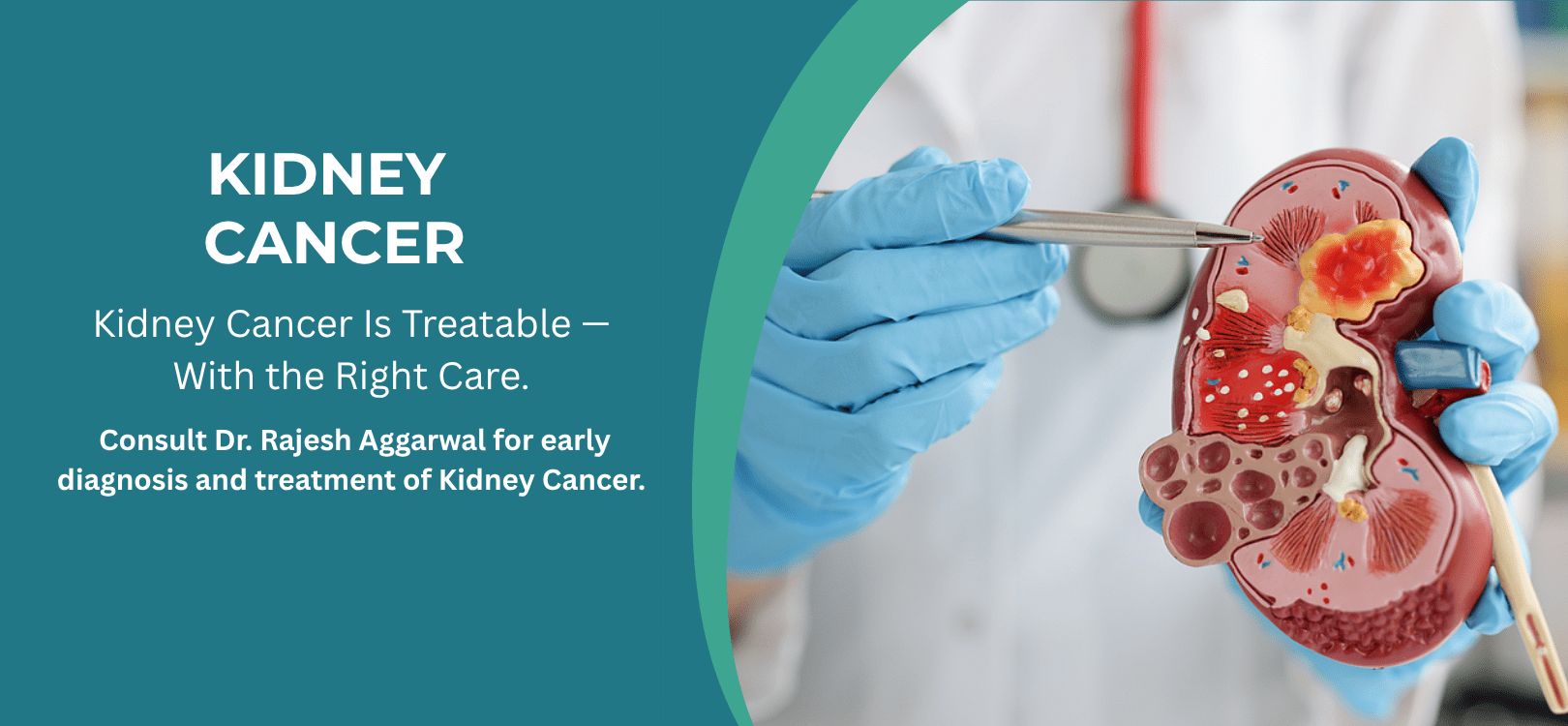
Kidney cancer, also known as renal cancer, is one of the leading cancers affecting the urinary system. At Sarvodya Hospital, under Dr. Rajesh Aggarwal, a senior and experienced urologist and uro-oncologist, offers advanced diagnosis, minimally invasive surgery, and personalized treatment for all stages of kidney cancer.
If you’ve been diagnosed with a kidney tumor or are experiencing symptoms, expert care is just a consultation away.
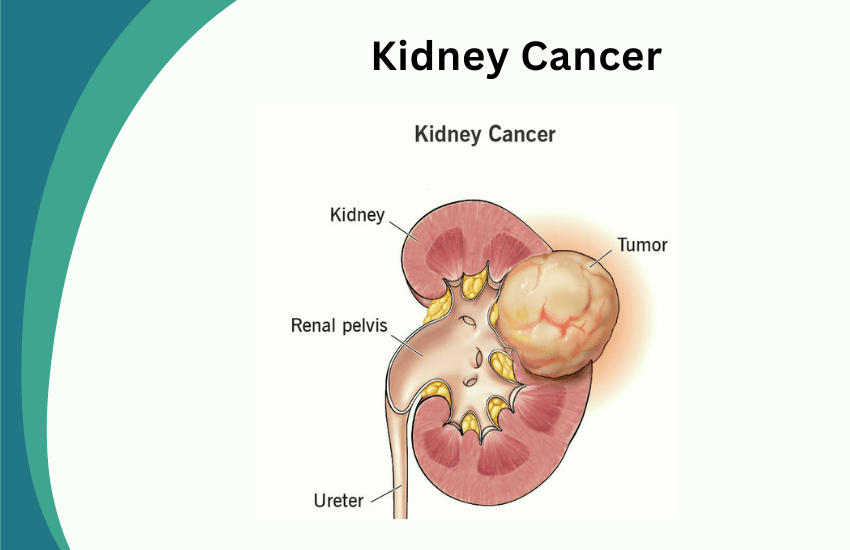
Kidney cancer occurs when abnormal cells grow uncontrollably in the tissues of the kidneys. The most common type is renal cell carcinoma (RCC), accounting for more than 90% of kidney cancer cases in adults.
Kidney cancer is often asymptomatic in early stages, which is why many cases are detected incidentally during imaging tests for other reasons.
Common Symptoms of Kidney Cancer
While early-stage kidney cancer may not cause symptoms, signs to watch for include:
If you’re experiencing any of these symptoms, it’s important to consult a urologist promptly.
Several factors can increase your risk of developing kidney cancer, including:
Dr. Rajesh Aggarwal uses advanced diagnostic imaging and minimally invasive biopsy techniques to confirm the presence, type, and stage of kidney tumors.
Common Diagnostic Tools Include:
Types of Kidney Cancer
The most common kidney cancers include:
Each type has a different treatment approach, which Dr. Rajesh Aggarwal tailors to your condition.
Kidney Cancer Treatment Options
Treatment depends on the tumor size, location, stage, and overall health of the patient. At Sarvodya Hospital, we offer both curative and organ-sparing options.
Surgery – Primary Treatment for Localized Tumors
Ablative Therapies (for select patients)
Targeted Therapy & Immunotherapy
For advanced or metastatic kidney cancer, we offer:
These treatments may be used alone or in combination with surgery.
Active Surveillance
In select cases (e.g., small, slow-growing tumors), Dr. Aggarwal may recommend regular monitoring with imaging, especially for elderly or high-risk patients.
Our goal is not only to treat the cancer but to preserve kidney function and quality of life.
Post-treatment recovery depends on the type of surgery or therapy performed. Dr. Rajesh Aggarwal provides:
Yes, especially when detected early. Localized kidney cancer can often be completely removed with surgery.
Not always. For small tumors, partial nephrectomy is preferred to preserve kidney function.
Some kidney cancers grow slowly, while others are more aggressive. Regular imaging helps determine the behavior of the tumor.
Traditional chemotherapy is not effective for kidney cancer. Targeted therapy and immunotherapy are the main options for advanced stages.
Most patients recover well after surgery. Some may need monitoring for blood pressure, kidney function, or recurrence.