Address
Opp. Khalsa College for Boys, near BSF Chowk, Jalandhar
Call
+91 98140 61069
Opp. Khalsa College for Boys, near BSF Chowk, Jalandhar
+91 98140 61069
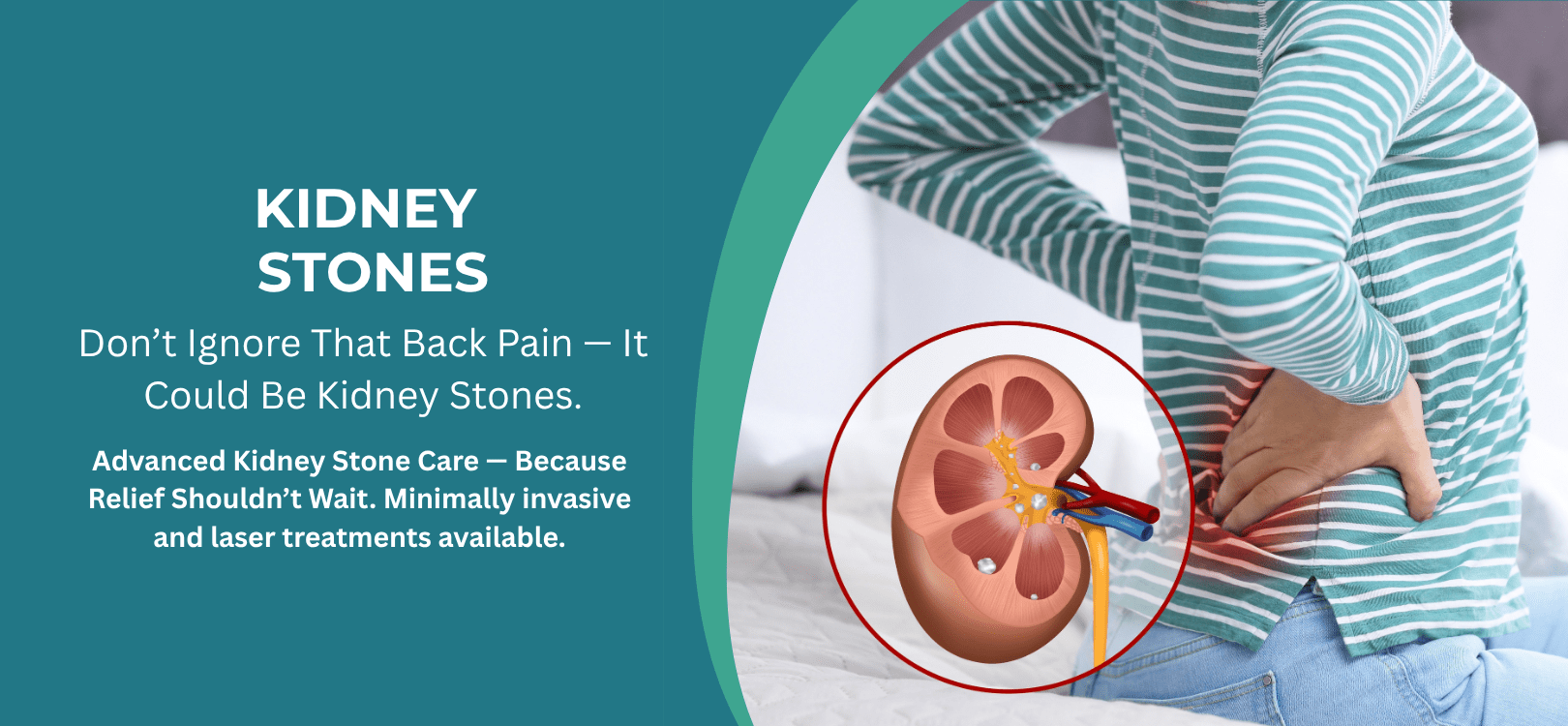
Kidney stones are a common and often painful urologic condition affecting millions of people each year. At Sarvodya Hospital, under Dr Rajesh Aggarwal, we specialize in the accurate diagnosis, effective treatment, and long-term prevention of kidney stones using state-of-the-art technology and personalized care.
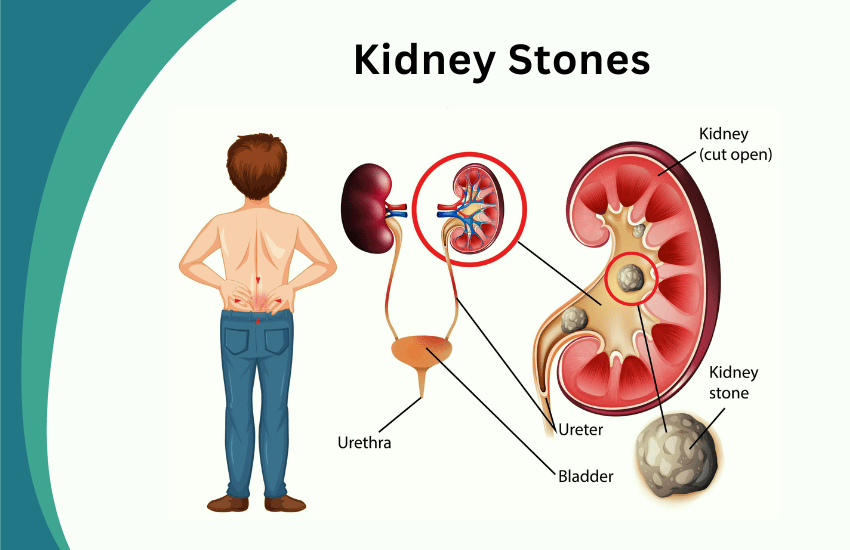
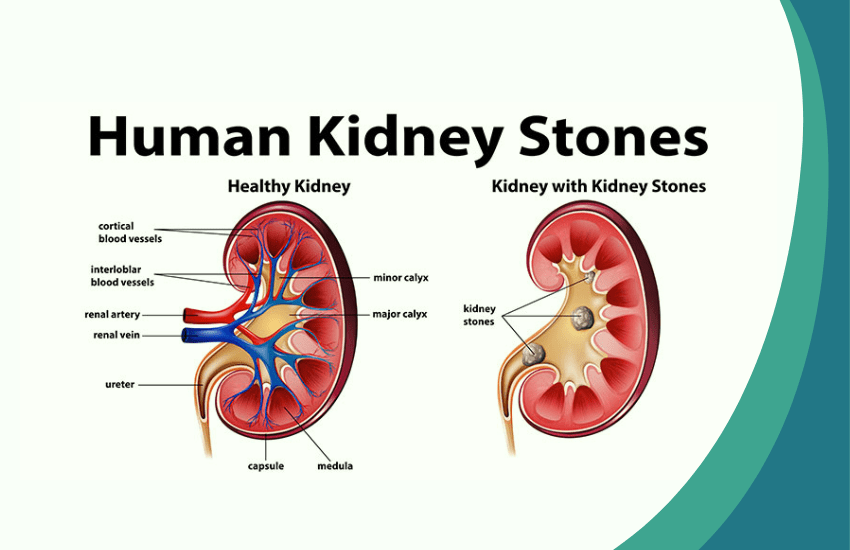
Kidney stones are hard mineral and salt deposits that form inside the kidneys or urinary tract. They can vary in size from a grain of sand to larger than a marble. Some stones pass on their own, while others may require medical or surgical intervention.
Common Symptoms of Kidney Stones
Important: Sudden, intense pain in the back or side could be a sign of a kidney stone and should be evaluated promptly.
Types of Kidney Stones
Understanding the type of kidney stone is important for treatment and prevention:
Cystine Stones – Rare, caused by a genetic disorder
Kidney stones form when the concentration of certain substances in the urine—such as calcium, oxalate, or uric acid—becomes too high. Common risk factors include:
Dr Rajesh Aggarwal, uses advanced imaging and diagnostic tools to accurately detect and locate kidney stones:
Kidney Stone Treatment Options
Treatment depends on the size, location, and type of stone, as well as your symptoms and overall health.
Conservative Management
Small stones (<5mm) may pass naturally with proper hydration and symptom control.
Medical Expulsive Therapy
Minimally Invasive Procedures
When stones do not pass or cause complications, we offer advanced treatments:
Extracorporeal Shock Wave Lithotripsy (ESWL)
Ureteroscopy with Laser Lithotripsy
Percutaneous Nephrolithotomy (PCNL)
Stent Placement
We tailor every treatment plan based on your individual needs, stone type, and lifestyle.
Preventing Future Kidney Stones
After treating your current stone, we focus on prevention to reduce your risk of recurrence.
Up to 50% of patients will develop another kidney stone within 5 years — prevention is key to long-term health.
Dr. Rajesh Aggarwal is a board-certified urologist with extensive experience in managing simple and complex kidney stone cases, using the latest tools and techniques.
Don’t Let Kidney Stones Control Your Life
If you’re experiencing kidney stone symptoms or have a history of stones, early treatment and prevention can make a big difference.
Intense pain in the back, side, or lower abdomen, along with blood in the urine or painful urination, are common signs. A CT scan or ultrasound can confirm the diagnosis.
Not always. Many small stones pass on their own, but larger or stuck stones may require minimally invasive procedures.
Drink plenty of fluids, maintain a healthy diet low in sodium and high-oxalate foods, and follow your urologist's prevention plan.