
Address
Opp. Khalsa College for Boys, near BSF Chowk, Jalandhar
Call
+91 98140 61069
Opp. Khalsa College for Boys, near BSF Chowk, Jalandhar
+91 98140 61069
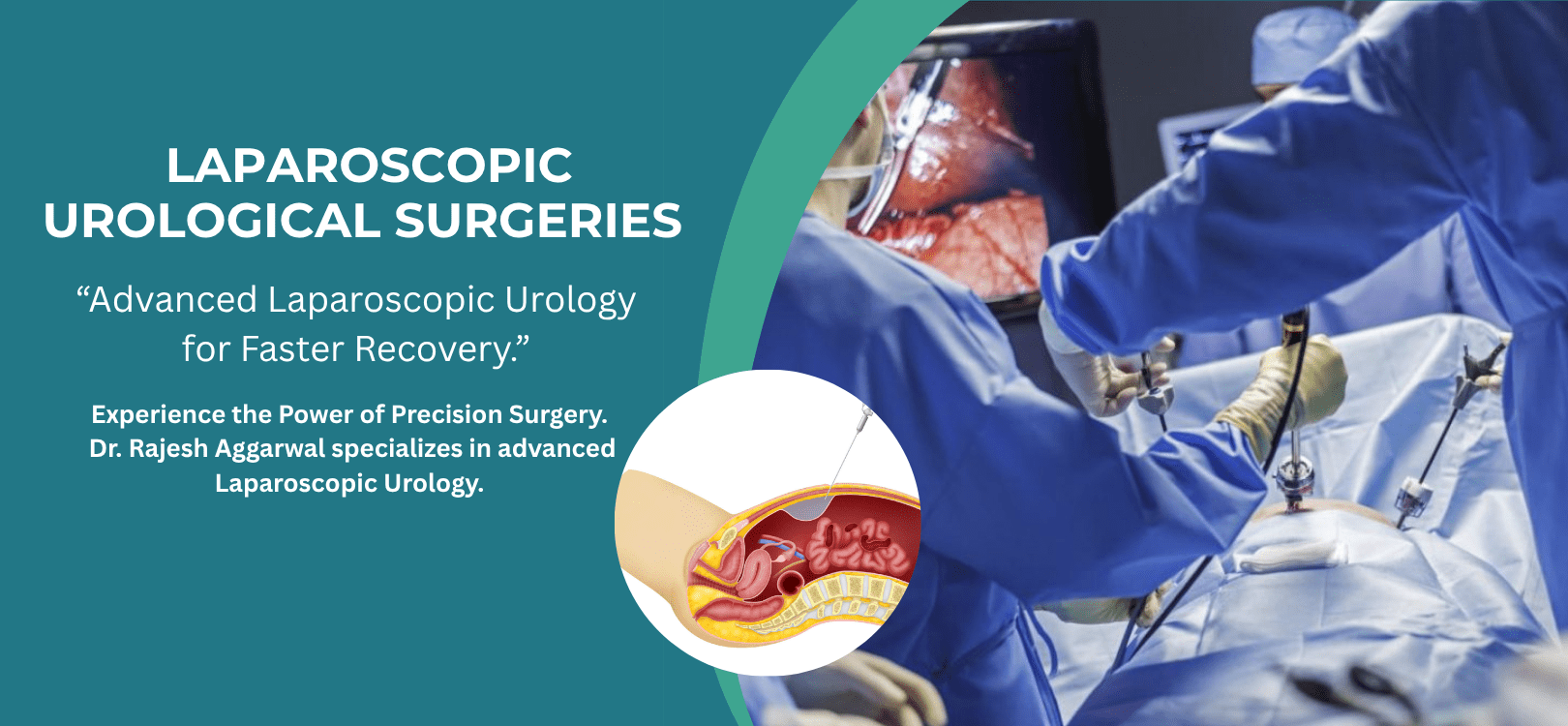
Laparoscopic urology (also known as keyhole or minimally invasive urologic surgery) is a modern surgical technique that allows for precise treatment of urological conditions with smaller incisions, faster recovery, and minimal pain.
At Sarvodya Hospital, under Dr. Rajesh Aggarwal, a highly experienced urologist and laparoscopic surgeon, offers a wide range of advanced laparoscopic procedures for kidney, prostate, bladder, and ureteral disorders.
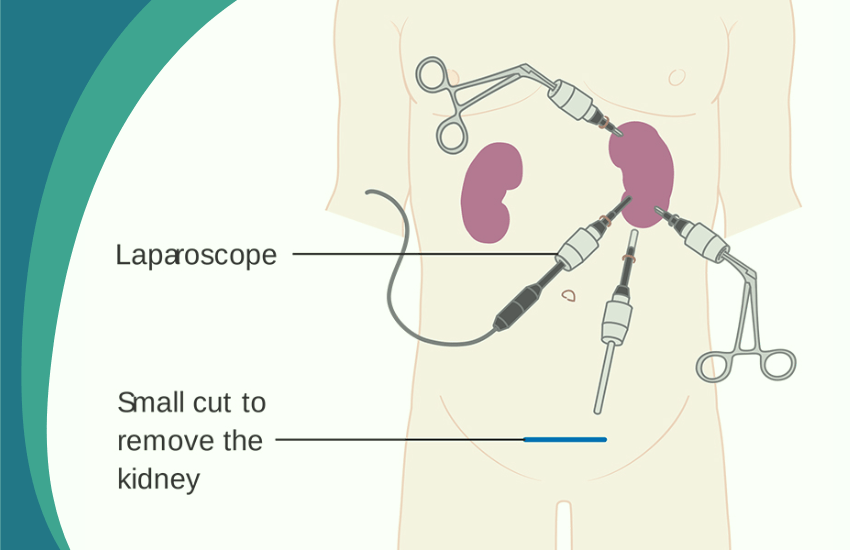
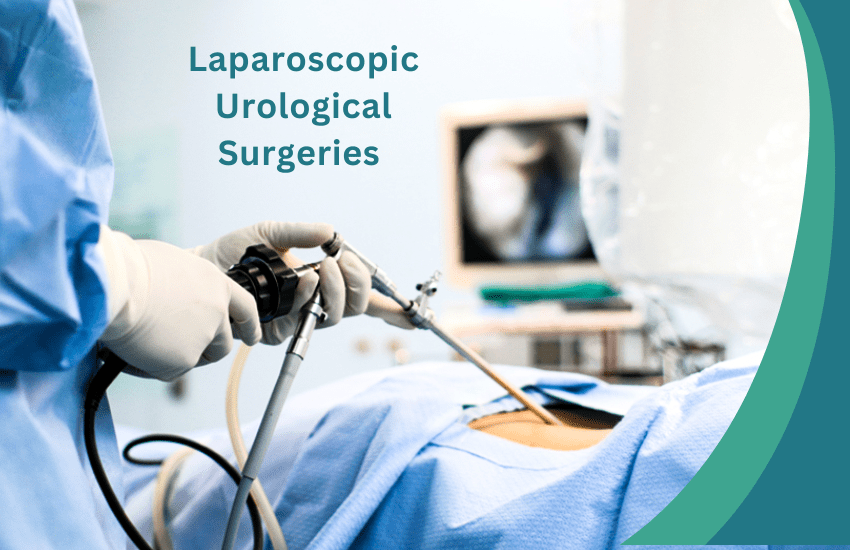
Laparoscopic surgery involves performing urologic operations using small incisions (0.5–1 cm) through which a tiny camera and specialized instruments are inserted. The surgeon views the internal organs on a high-definition screen and performs the surgery with high precision.
Common Laparoscopic Urology Procedures Offered by Dr. Rajesh Aggarwal
Feature | Laparoscopic Surgery | Traditional Open Surgery |
Incision Size | Small (0.5–1 cm) | Large (6–12 cm) |
Pain | Minimal | Moderate to severe |
Recovery Time | Faster (3–7 days) | Longer (2–4 weeks) |
Scarring | Minimal | Significant |
Hospital Stay | 1–2 days | 4–6 days |
Return to Work | Quick | Delayed |
Laparoscopic urological surgery may be advised when:
Dr. Rajesh Aggarwal will evaluate your condition and recommend the safest and most effective surgical option.
Most laparoscopic surgeries are performed under general anesthesia, and patients typically:
Dr. Aggarwal ensures personalized post-operative care, including guidance on diet, activity, and wound care.
Yes, when performed by an experienced urologist, it is safe, effective, and has fewer complications than open surgery.
Most patients resume normal activities in 5–7 days, depending on the type of procedure.
Only tiny scars (0.5–1 cm) are visible, which fade over time.
Yes, for certain cancers (kidney, adrenal, prostate), laparoscopic surgery is an excellent option, offering oncologic safety with faster recovery.
Not all, but many procedures today can be performed using laparoscopic or robotic techniques, based on patient suitability.
If you’ve been advised urologic surgery or are looking for a second opinion, consult Dr. Rajesh Aggarwal for safe, effective, and minimally invasive treatment.