Address
Opp. Khalsa College for Boys, near BSF Chowk, Jalandhar
Call
+91 98140 61069
Opp. Khalsa College for Boys, near BSF Chowk, Jalandhar
+91 98140 61069
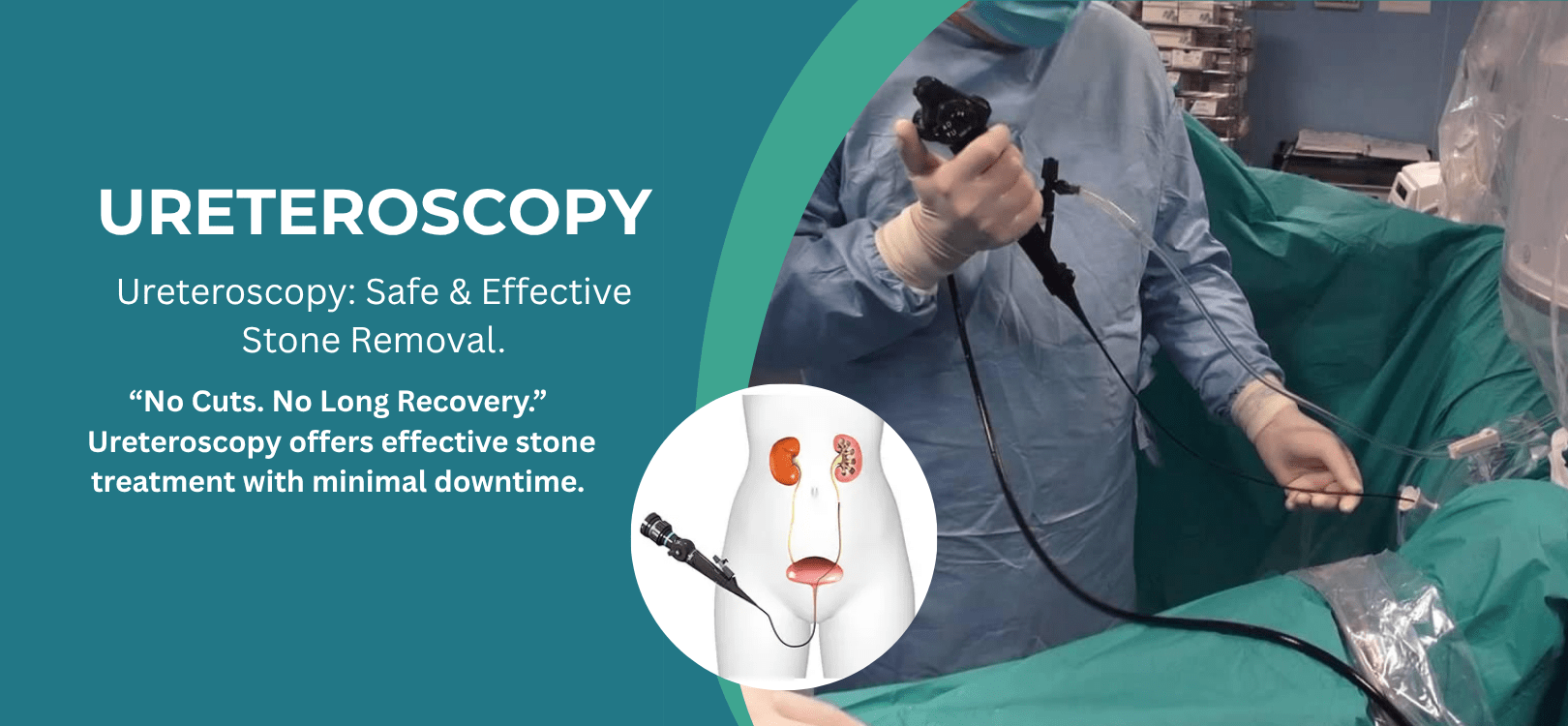
Ureteroscopy is a safe and effective minimally invasive procedure used to diagnose and treat conditions of the ureter and kidneys, most commonly kidney stones and ureteric stones. At Sarvodya Hospital, under Dr. Rajesh Aggarwal, a highly experienced urologist, performs advanced flexible and rigid ureteroscopy (URS) using the latest endoscopic equipment.
If you are experiencing symptoms like severe flank pain, blood in urine, or difficulty passing urine, you may benefit from ureteroscopic stone removal.
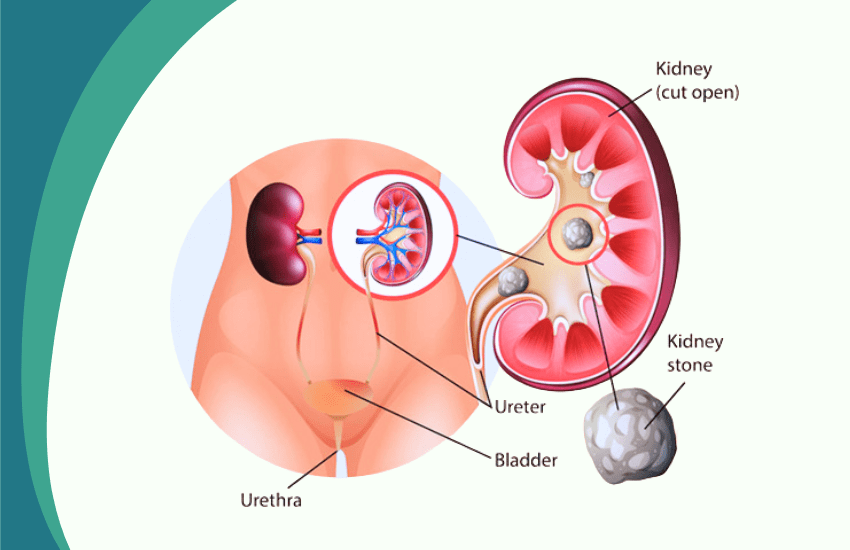
Ureteroscopy (URS) is a procedure where a thin, tube-like instrument called a ureteroscope is passed through the urethra and bladder into the ureter and kidney. This allows the urologist to:
Dr. Rajesh Aggarwal uses ureteroscopy to diagnose and treat:
Rigid Ureteroscopy
Flexible Ureteroscopy (RIRS – Retrograde Intrarenal Surgery)
Ureteroscopy Procedure – What to Expect
In many cases, a Double J (DJ) stent is placed after ureteroscopy to:
The stent is temporary and removed in a follow-up visit using a quick, outpatient procedure.
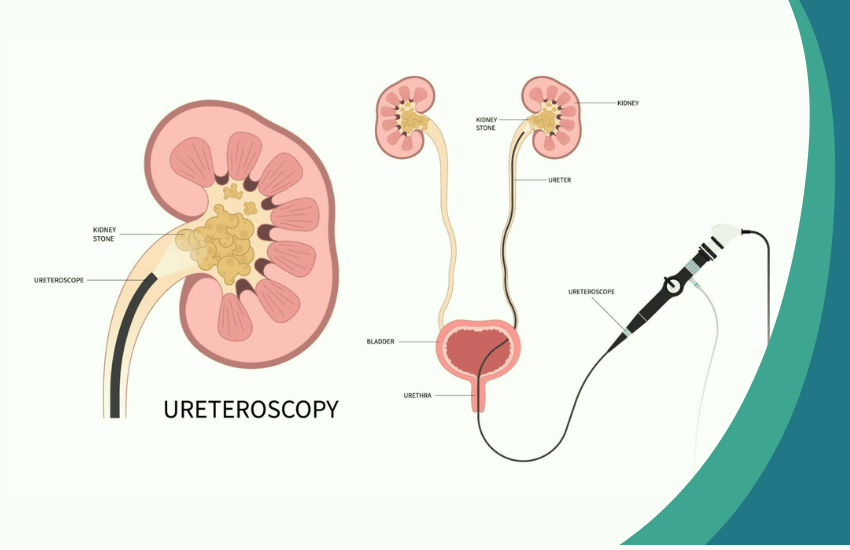
The procedure is done under anesthesia, so there’s no pain during the surgery. Mild discomfort or burning may occur for a day or two afterward.
Ureteroscopy includes laser treatment for stones. It’s ideal for small to medium-sized stones, while PCNL is used for larger stones (>2 cm).
In many cases, a temporary DJ stent is placed to ensure proper healing and urine flow. It is removed after 1–2 weeks.
Most patients can return to normal activities within 48–72 hours.
Yes, if underlying metabolic causes are not addressed. Dr. Rajesh Aggarwal offers stone prevention advice and metabolic work-up for recurrent cases.