
Address
Opp. Khalsa College for Boys, near BSF Chowk, Jalandhar
Call
+91 98140 61069
Opp. Khalsa College for Boys, near BSF Chowk, Jalandhar
+91 98140 61069
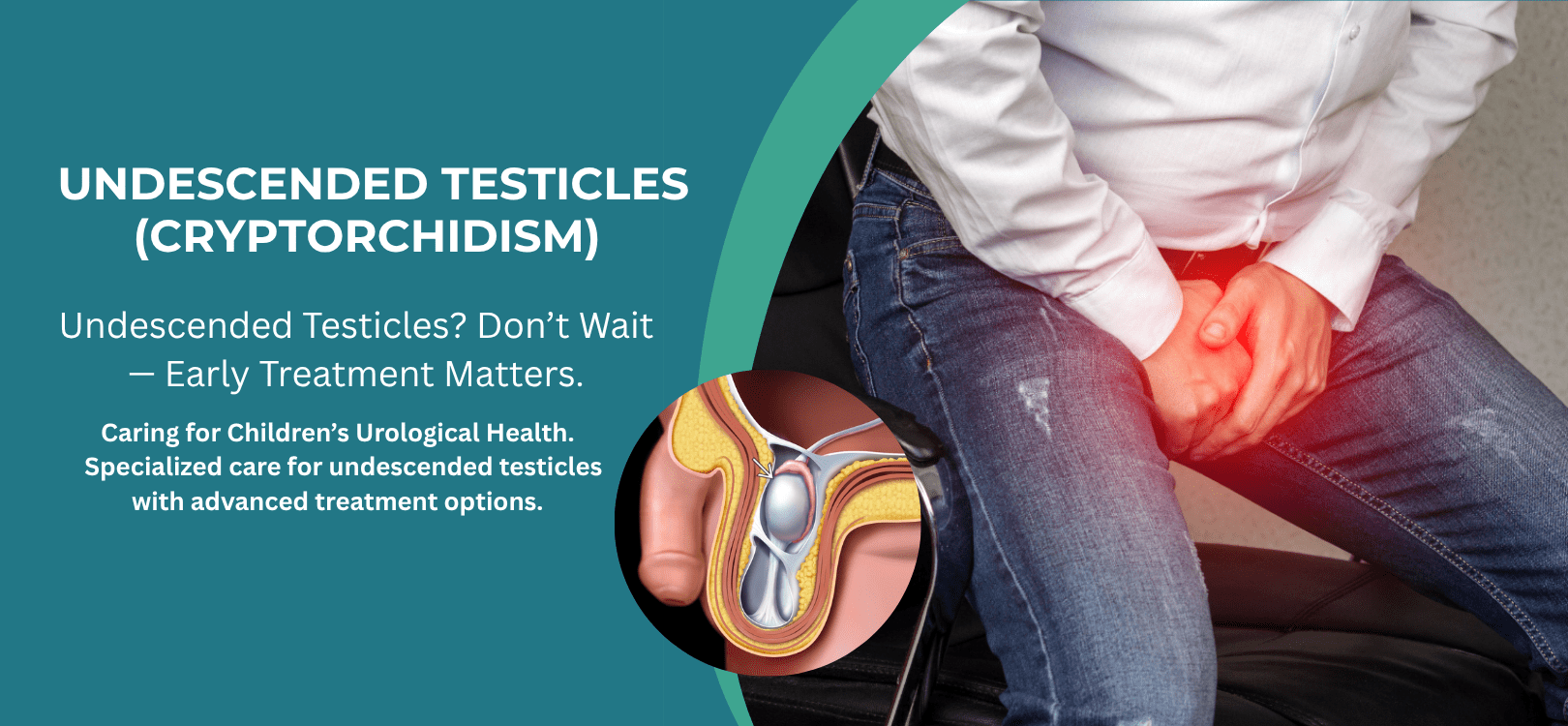
Undescended testicles, also known as cryptorchidism, is a common urologic condition where one or both testicles fail to move into the scrotum before birth. This condition most often affects infant boys, but if left untreated, it can lead to complications later in life, including infertility and increased risk of testicular cancer.
At Sarvodya Hospital, under Dr. Rajesh Aggarwal, a leading urologist with expertise in pediatric and adult urology, offers comprehensive evaluation and surgical treatment for undescended testicles in children and adults.
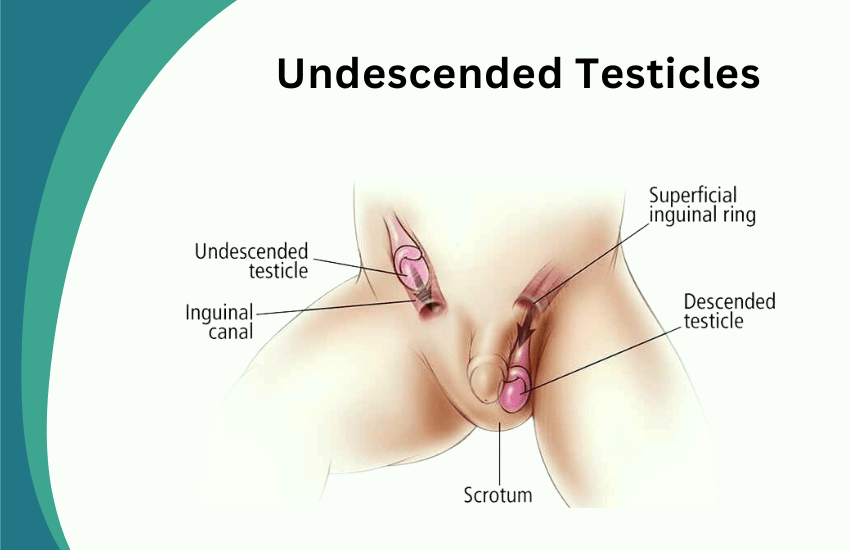
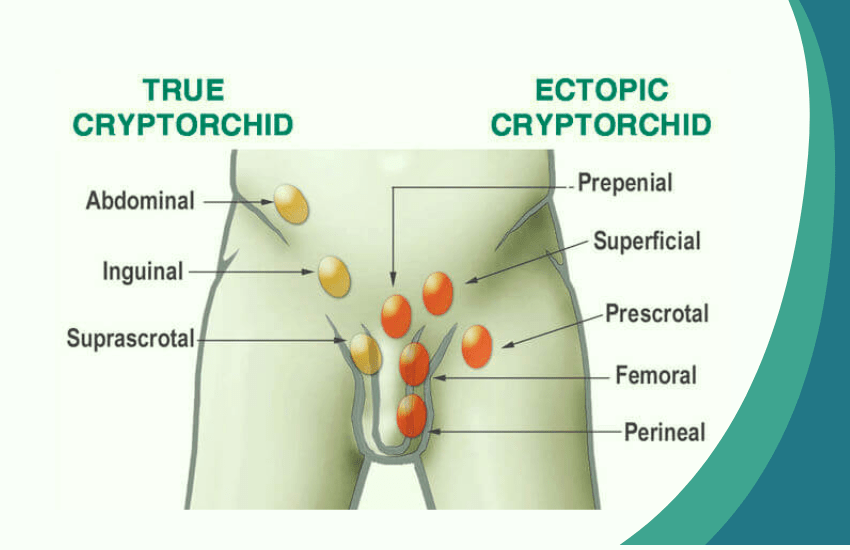
During fetal development, the testicles form in the abdomen and normally descend into the scrotum before birth. If this descent is incomplete, the testicle remains in the groin, abdomen, or inguinal canal, instead of settling into the scrotum.
This condition is more common in:
Non-palpable Testes – Testicle is not felt and may be intra-abdominal or absent
Undescended testicles are usually diagnosed at birth during a routine physical exam. The primary sign is an empty scrotum or scrotum that appears smaller on one side.
In older children or adults who were not treated in childhood, the condition may be diagnosed during evaluation for:
Risks of Untreated Undescended Testicles
Leaving undescended testicles untreated can lead to serious health concerns, including:
Early diagnosis and timely treatment — ideally before 1 year of age — provide the best outcomes.
Treatment for Undescended Testicles at Sarvodya Hospital
Dr. Rajesh Aggarwal provides state-of-the-art surgical options to reposition the testicle into the scrotum and ensure normal development.
Orchiopexy (Surgical Correction)
Laparoscopy for Non-Palpable Testes
Undescended Testicles in Adults
In rare cases, adults may present with untreated cryptorchidism. Management options include:
Dr. Rajesh Aggarwal offers confidential, expert evaluation for adult patients who may have missed childhood treatment.
Ideally between 6–12 months of age. Early treatment reduces long-term complications.
In some newborns, the testicle descends on its own within the first few months. After 6 months, spontaneous descent is unlikely.
Yes. Orchiopexy is a common, safe, and effective procedure with a high success rate.
Early treatment greatly improves the chances of normal fertility later in life, especially if only one testicle is affected.
Yes. Untreated undescended testicles have a higher risk of developing testicular cancer, which is why early surgical correction is essential.