
Address
Opp. Khalsa College for Boys, near BSF Chowk, Jalandhar
Call
+91 98140 61069
Opp. Khalsa College for Boys, near BSF Chowk, Jalandhar
+91 98140 61069

Prostate cancer is one of the most common cancers affecting men, especially those over the age of 50. At Sarvodya Hospital, under Dr. Rajesh Aggarwal, a highly experienced urologist, offers advanced screening, diagnosis, and personalized treatment for prostate cancer — with a focus on early detection and minimally invasive therapies.
If you or a loved one has concerns about prostate health, expert help is available close to home.

Prostate cancer develops in the prostate gland, a small organ located below the bladder that helps produce seminal fluid. While some types grow slowly and may not cause serious harm, others can be more aggressive and spread quickly without proper treatment.
Early detection is the key to successful treatment.
Symptoms of Prostate Cancer
In its early stages, prostate cancer may not cause noticeable symptoms. As it progresses, symptoms can include:
Note: These symptoms can also be caused by benign conditions like BPH (Benign Prostatic Hyperplasia) — which is why proper evaluation by a urologist is essential.
You may be at higher risk if you:
At Sarvodya Hospital, we offer early detection through screening, especially for men over 50 or those with risk factors.
Screening Tests Include:
Early-stage prostate cancer often has no symptoms — regular screening saves lives.
If your screening results are abnormal, further testing may include:
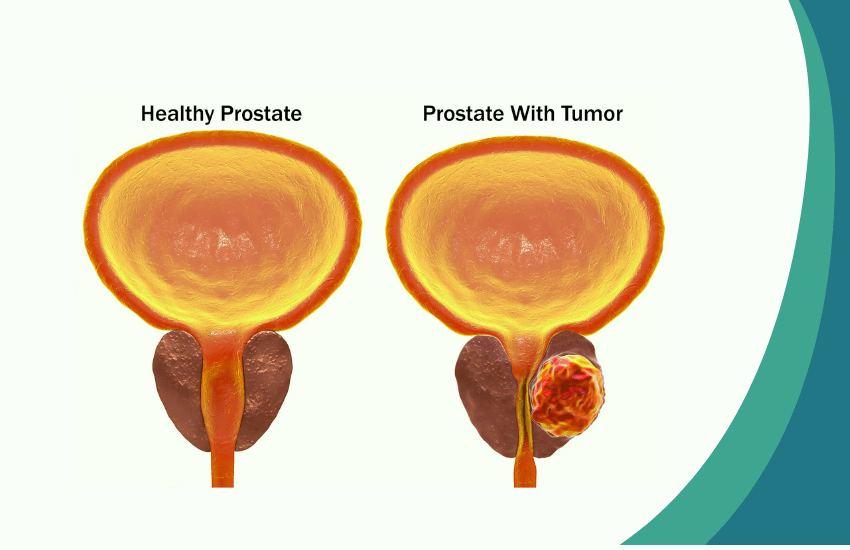
Prostate Cancer Treatment Options
Dr. Rajesh Aggarwal provides personalized treatment plans based on the cancer stage, your overall health, and personal preferences.
Life After Prostate Cancer Treatment
Recovery and quality of life are key priorities. Dr. Rajesh Aggarwal provides:
With modern techniques, most patients enjoy excellent outcomes and a return to normal life.
When to See a Urologist
Book an appointment if you:
Yes. When detected early, prostate cancer is highly treatable and often curable.
No. PSA can rise due to non-cancerous conditions like prostatitis or BPH. Further testing is needed for diagnosis.
It depends on the cancer’s stage and your overall health. Options range from active surveillance to surgery or radiation.
Some treatments may impact erectile function, but options like nerve-sparing surgery and medications can help.