
Address
Opp. Khalsa College for Boys, near BSF Chowk, Jalandhar
Call
+91 98140 61069
Opp. Khalsa College for Boys, near BSF Chowk, Jalandhar
+91 98140 61069

Urinary Tract Infections (UTIs) are among the most common reasons patients visit a urologist. Whether you’re experiencing a recurrent UTI, a complicated infection, or symptoms that won’t go away, expert urologic care can make all the difference.
At Sarvodya Hospital, under Dr. Rajesh Aggarwal, we provide accurate diagnosis, personalized treatment, and prevention strategies to help you find long-term relief.
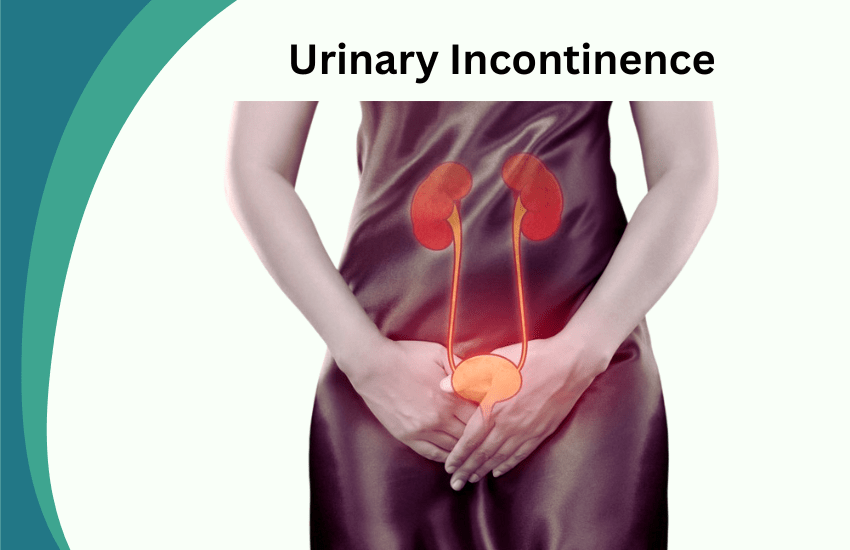
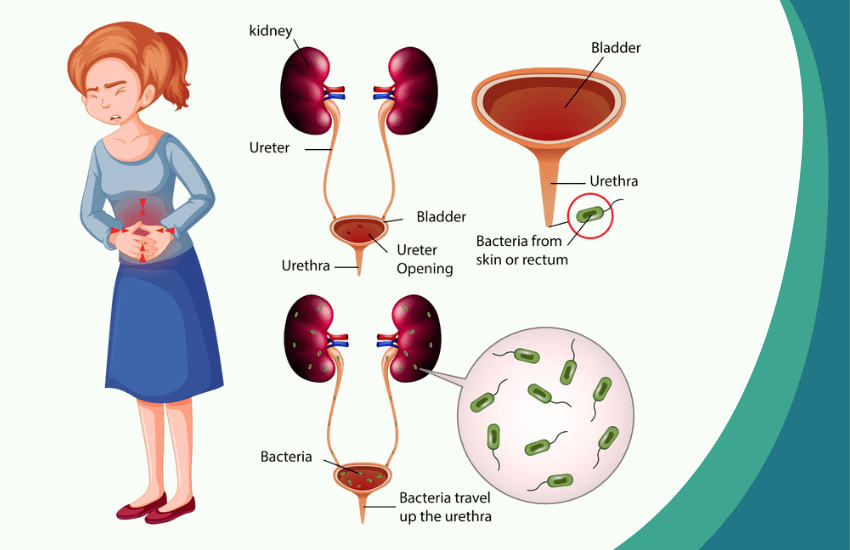
A urinary tract infection occurs when bacteria enter the urinary system, which includes the kidneys, ureters, bladder, and urethra. Most UTIs involve the bladder and urethra, but infections can also affect the kidneys in more serious cases.
Common UTI Symptoms
Symptoms can vary based on the part of the urinary tract that’s infected, but may include:
Note: UTIs in men, postmenopausal women, or patients with certain medical conditions may present with more subtle or atypical symptoms.
While UTIs are more common in women, they can affect anyone. Common causes and risk factors include:
If you’ve had 2 or more UTIs in 6 months, or 3 or more in a year, you may be experiencing recurrent UTIs. These infections may signal an underlying urologic issue that requires evaluation by a specialist.
During your visit, Dr. Rajesh Aggarwal will take a detailed history and may perform:
Our approach focuses on identifying the underlying cause of infections — not just treating symptoms.
Dr. Rajesh Aggarwal is a board-certified urologist with extensive experience in diagnosing and treating complicated and recurrent urinary tract infections. We take a comprehensive, patient-centered approach that goes beyond short-term fixes to provide lasting relief.
Don’t Let UTIs Disrupt Your Life
UTIs are common — but they’re also highly treatable with the right care. If you’re dealing with frequent infections, pelvic discomfort, or urinary symptoms, we’re here to help.
Mild UTIs may resolve spontaneously, but most require antibiotic treatment to avoid complications like kidney infection.
Prevention includes staying hydrated, urinating after intercourse, proper hygiene, and in some cases, medical therapy or lifestyle changes.
If you have frequent UTIs, blood in your urine, severe symptoms, or if you're a man with a UTI, it's best to see a urologist for specialized care.