
Address
Opp. Khalsa College for Boys, near BSF Chowk, Jalandhar
Call
+91 98140 61069
Opp. Khalsa College for Boys, near BSF Chowk, Jalandhar
+91 98140 61069

Urinary Tract Infections (UTIs) are common in children, but if left untreated or if they occur frequently, they may lead to long-term kidney problems. At Sarvodya Hospital, under Dr. Rajesh Aggarwal, an experienced urologist specializing in pediatric urinary disorders, provides accurate diagnosis and advanced treatment for UTIs in children of all ages.
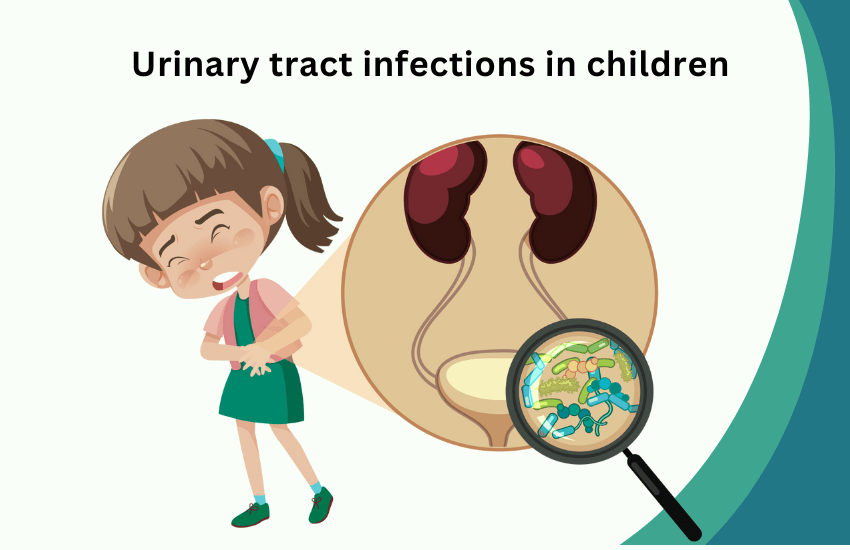
A UTI (Urinary Tract Infection) is an infection that occurs in any part of the urinary system — including the bladder, urethra, ureters, or kidneys. In children, UTIs are more common than many parents realize and can sometimes be difficult to detect due to subtle symptoms.
Early treatment is essential to prevent kidney damage, especially in infants and young children.
UTIs are usually caused by bacteria, most often Escherichia coli (E. coli), which enter through the urethra and multiply in the bladder.
Common risk factors include:
UTI symptoms vary with age. Many children, especially babies, show non-specific signs, which makes early diagnosis crucial.
In Infants:
In Toddlers and Older Children:
Note: Any unexplained fever in a child under 2 years should prompt evaluation for a UTI.
Dr. Rajesh Aggarwal uses age-appropriate, painless, and effective diagnostic methods to confirm UTIs and identify underlying causes.
Diagnostic Steps May Include:
Treatment of UTI in Children
UTIs in children are typically treated with antibiotics. The type, dosage, and duration depend on the child’s age, severity, and whether it’s a first-time or recurrent infection.
Treatment Options:
If recurrent infections occur, Dr. Rajesh Aggarwal will investigate for structural problems or vesicoureteral reflux, and recommend long-term solutions if needed.
Your child should see a pediatric urologist like Dr. Rajesh Aggarwal if they experience:
Preventing UTIs in Children
You can help reduce the risk of UTIs with a few simple steps:

Yes, especially in children under 5 years. Girls and uncircumcised boys are more prone.
Most UTIs are treatable, but delayed treatment can lead to kidney damage or scarring.
Yes, with proper hygiene, toilet habits, and addressing constipation, many UTIs can be prevented.
If UTIs are recurrent, associated with high fever, or if your child is very young (under 2), consult a urologist for further investigation.
Only in cases where structural issues like vesicoureteral reflux or posterior urethral valves are diagnosed.