Urinary incontinence

Urinary Incontinence Specialist in Jalandhar – Dr. Rajesh Aggarwal | Sarvodya Hospital
Urinary Incontinence

Urinary incontinence — the involuntary loss of urine — is a common but often misunderstood condition that can significantly affect your quality of life. At Sarvodya Hospital, under Dr Rajesh Aggarwal, we specialize in diagnosing and treating all types of urinary incontinence in both men and women, using personalized, evidence-based solutions.
What Is Urinary Incontinence?

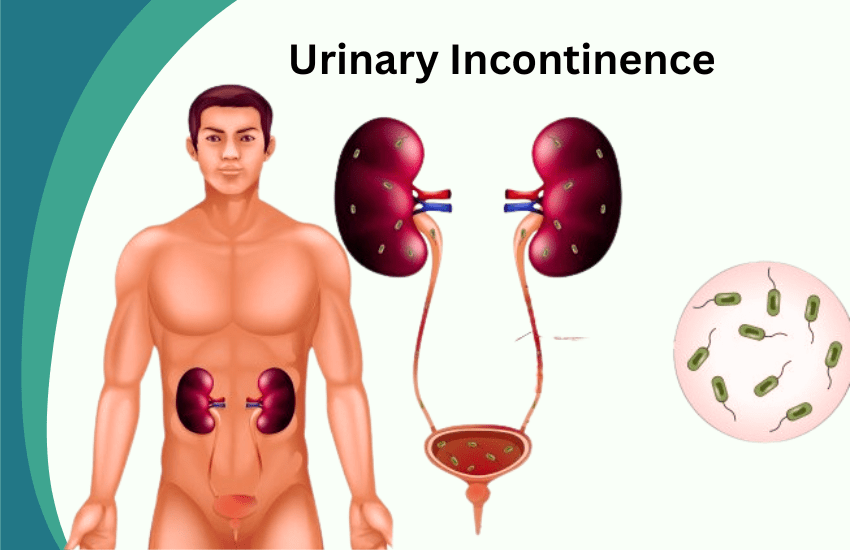
Urinary incontinence is the unintentional leakage of urine. It can range from occasional dribbling to a complete inability to control urination. While more common with age, it is not a normal part of aging and can affect people of all ages and genders.

 Types of Urinary Incontinence

Understanding the type of incontinence you have is essential for effective treatment. The most common types include:

  • Stress Incontinence
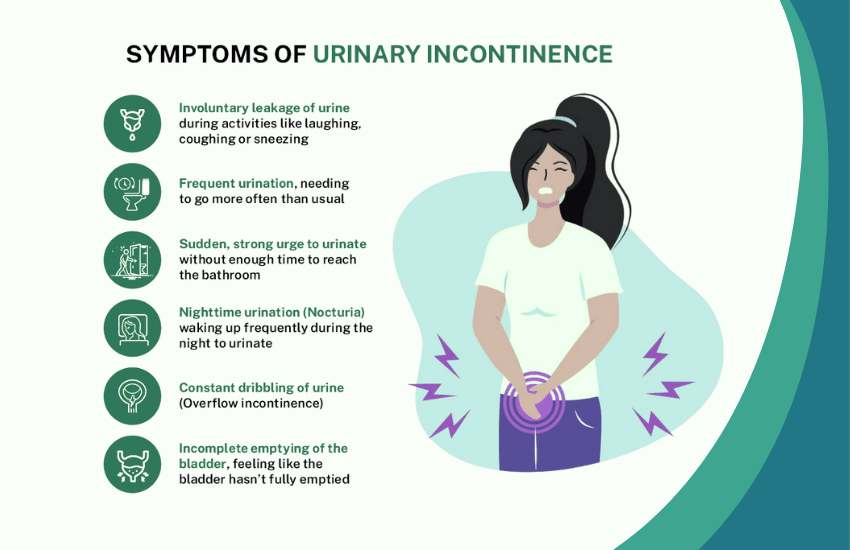
  • Leakage occurs during physical activity that increases pressure on the bladder, such as coughing, sneezing, laughing, or lifting.
  • Urge Incontinence (Overactive Bladder)
  • A sudden, intense urge to urinate followed by involuntary leakage. Often associated with frequent urination and nighttime urination.
  • Mixed Incontinence
  • A combination of stress and urge incontinence symptoms.
  • Overflow Incontinence
  • Occurs when the bladder doesn’t empty completely, leading to constant dribbling or frequent leakage.
  • Functional Incontinence
  • Urine leakage due to physical or cognitive impairments (e.g., arthritis, dementia) that prevent reaching the bathroom in time.
Common Causes of Urinary Incontinence

Urinary incontinence can be caused by a variety of factors, including:

  • Pelvic floor muscle weakness
  • Prostate problems (e.g., BPH, post-prostate surgery)
  • Neurological conditions (e.g., stroke, Parkinson’s, MS)
  • Urinary tract infections (UTIs)
  • Hormonal changes (e.g., menopause)
  • Childbirth and pregnancy
  • Obesity
  • Chronic constipation
  • Medications


Diagnosis: What to Expect

At Sarvodya Hospital, under Dr. Rajesh Aggarwal, we use a thorough and compassionate approach to uncover the cause of your symptoms. Diagnostic tests may include:

  • Detailed medical history and symptom questionnaire
  • Physical examination
  • Urinalysis and urine culture
  • Bladder diary
  • Urodynamic testing
  • Ultrasound or cystoscopy (if needed)

We tailor the diagnostic process to your individual needs to ensure an accurate diagnosis and effective treatment plan.
Treatment:

Urinary Incontinence Treatment Options

Treatment depends on the type and severity of your incontinence and may include:

  1. Lifestyle & Behavioral Changes
  • Bladder training
  • Timed voiding
  • Fluid and diet management
  • Weight loss
  1. Pelvic Floor Physical Therapy
  • Kegel exercises
  • Biofeedback training
  • Specialized pelvic rehabilitation
  1. Medications
  • Anticholinergics or beta-3 agonists for overactive bladder
  • Topical estrogen for postmenopausal women
  1. Minimally Invasive Procedures
  • Botox® injections for overactive bladder
  • Bladder nerve stimulation
  1. Surgical Treatments
  • Mid-urethral slings for stress incontinence
  • Artificial urinary sphincter (primarily in men post-prostate surgery)
  • Bladder augmentation or reconstruction (in complex cases)
 Why Choose Us?

Dr Rajesh Aggarwal understands how disruptive and embarrassing urinary incontinence can be. We offer:

  • Personalized care plans tailored to your lifestyle
  • Advanced diagnostic tools
  • The latest nonsurgical and surgical treatment options
  • A judgment-free, supportive environment

Dr. Rajesh Aggarwal is a board-certified urologist with specialized expertise in incontinence care for men and women.

Frequently Searched Questions (FAQ’s)

Many cases of incontinence can be significantly improved or even cured with proper treatment. Early evaluation is key.

 Urologists are the specialists trained to diagnose and treat urinary incontinence in both men and women.

Mild cases may improve with pelvic floor exercises and bladder training. However, persistent symptoms should be evaluated by a specialist.